Best Fight Films of 2025
As you may have noticed, there is no Kung Fu Movie Guide end-of-year show for 2025. On this annual podcast, we would regularly discuss martial movie news and events from the past 12 months, and each share a breakdown of our best fight films of the year. Nonetheless, I decided to share some highlights of my own! It’s been a very good and eclectic year for martial arts and action cinema, from indie gems to large-scale blockbusters, so I thought it worth celebrating and sharing a few choice cuts.
As always with these films, and during the podcast too, I personally steer away from the banner of “martial arts movies” as it’s actually a pretty rare find these days, in the traditional sense. Instead, I define my choices as “fight films” where fight scenes and, possibly, martial arts, are central to the story. If it’s a blockbuster action film with a big fight scene, as great as it may be, I wouldn’t usually include it for this reason. However, if fighting is a central part of the story, while perhaps not traditional karate or kung fu-led, it may well get my vote. I like to keep it pretty pure in this regard. I also go by UK releases, as that’s what I have access to. All that being said, here are my personal highlights of the year, while sticking to a top 5 to keep things concise.
5. Wick is Pain
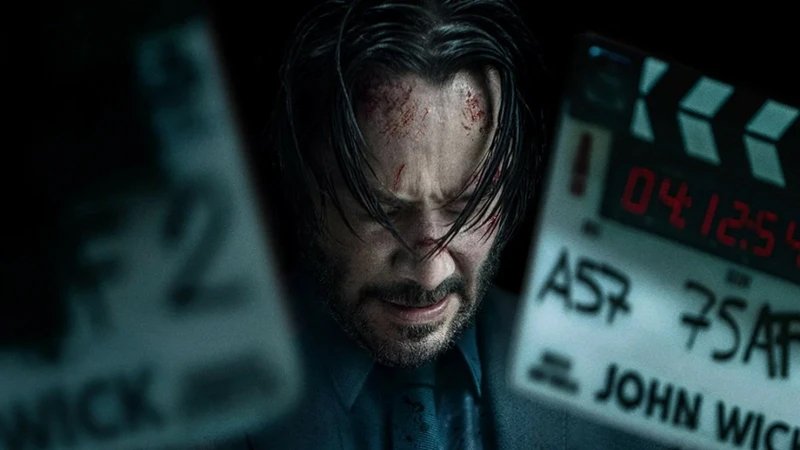
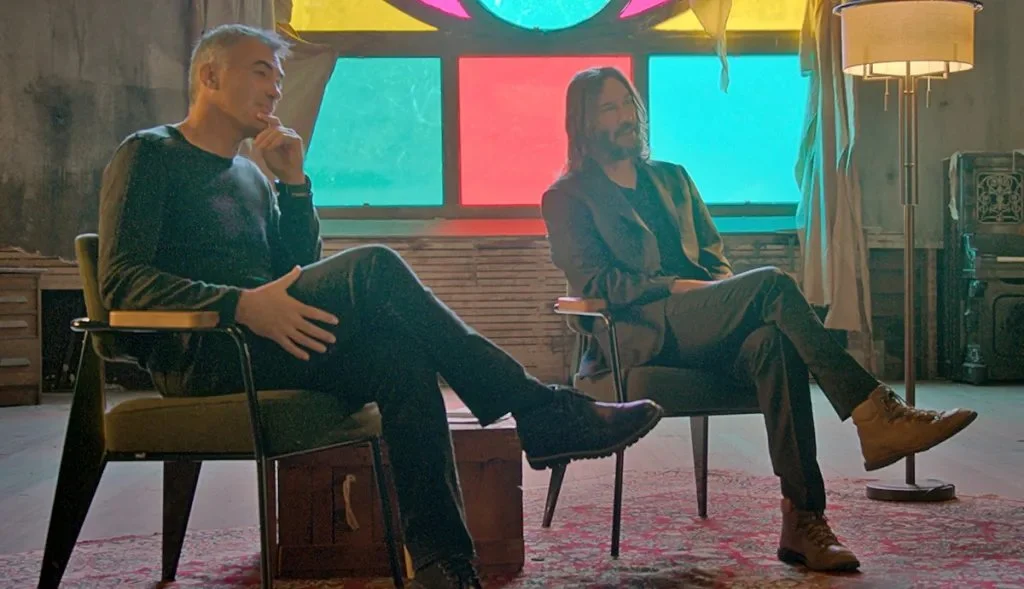
I’m a big John Wick fan and my interest in the subject goes way back to the careers of JW co-directors (and 87Eleven Action Design founders), Chad Stahelski and David Leitch, even interviewing them in my original Life of Action book and featuring exclusive pictures from the first JW movie. Taking this funny on-set quote and in-joke about the suffering required for greatness, Wick is Pain is a fascinating feature documentary, filmed over a decade, showing the difficult road that paved the way for a global franchise. It charts how the first JW movie, a small indie picture by future comparison, nearly didn’t get made, then bafflingly struggled to even find a domestic distributor, and yet ultimately propelled this new IP to blockbuster status.
Crucially, it charts the early history and evolution of Hollywood’s 87Eleven stunt team, their devotion to filmmaking and storytelling over mindless action, shooting and editing film, and how this set them on the path to first unit directing. The film shares candid stories from Keanu Reeves, Chad Stahelski, David Leitch, writer Derek Kolstad, producer Basil Iwanyk, and lots of behind-the-scenes footage. It’s a great insight into their creative processes, and the complex story of a film’s creative journey, with all the highs, lows, setbacks and, ultimately, we all hope, victories along the way.
4. The Shadow’s Edge
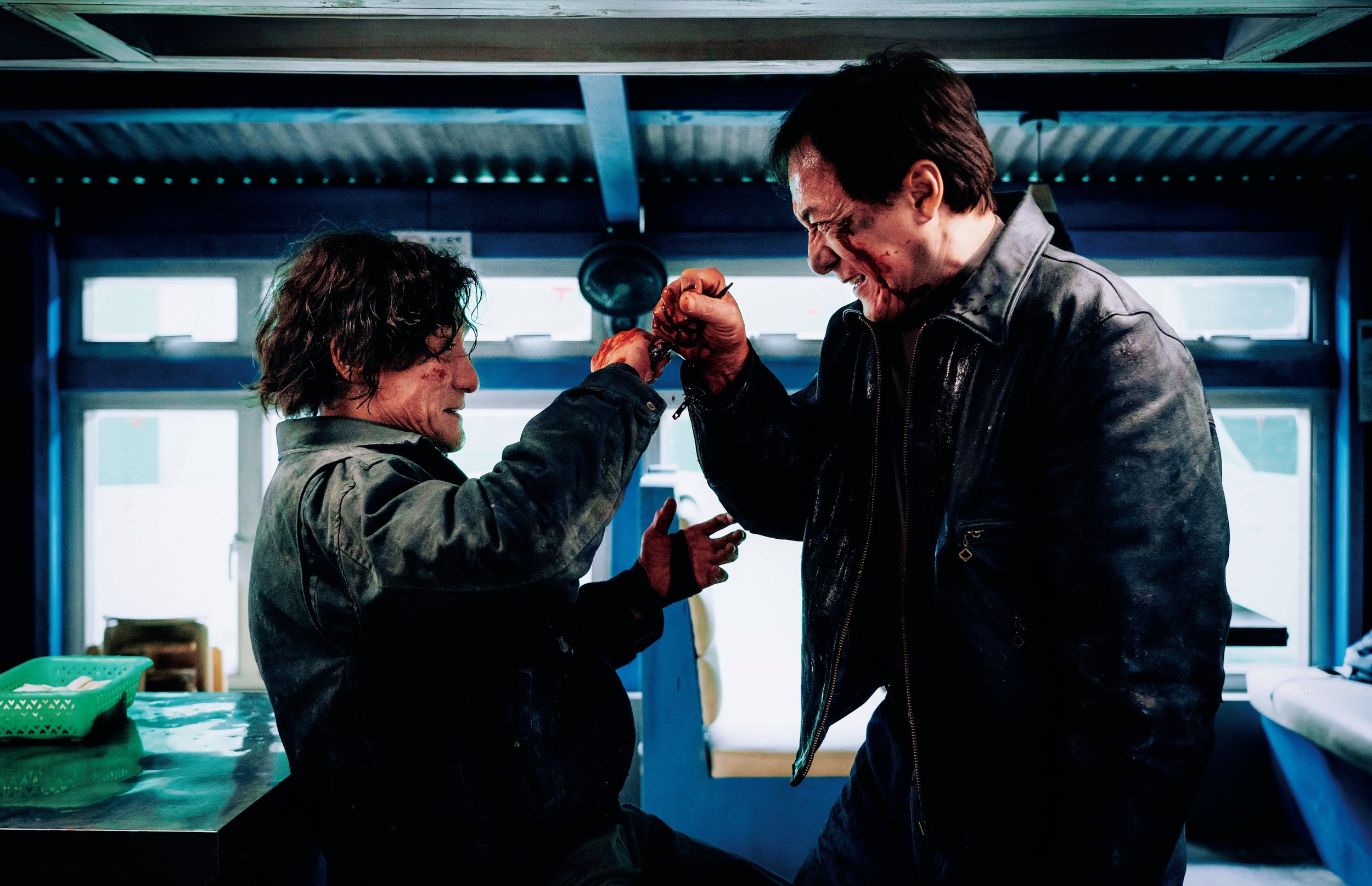
This modernised remake of another Hong Kong crime movie, 2007’s Eye in the Sky, has been named by fans and critics as Jackie Chan’s best film in several years, and it’s easy to agree. His output has been pretty mixed in recent times, possibly hinging on the filmmakers and scripts he aligns himself with. While now on the ascent, relatively young writer-director Larry Yang (Mountain Cry) is clearly a far more character and story-led filmmaker. Their first collaboration in Ride On, while some felt it overly sentimental, confidently sat within Chan’s cinematic heritage and strengths as a maturing action icon, offering plenty of stunt gags and dramatic beats in a poignant and age appropriate story. It felt new and traditional at the same time.
In The Shadow’s Edge, Chan goes head-to-head with the always excellent Tony Leung Ka Fai (Election) for the first time in 20 years. This onscreen pairing alone brings a weight and gravitas, with Chan’s world-weary veteran detective pulled out of retirement to bring down an elusive criminal mastermind that the police, despite all their gadgets and surveillance technology, are unable to catch. The complex story does become convoluted at times, but it’s a compelling, pacy and violent crime saga with Chan’s best and grittiest close-quarters action since The Foreigner, which leans into the maturity of its veteran stars.
3. Diablo
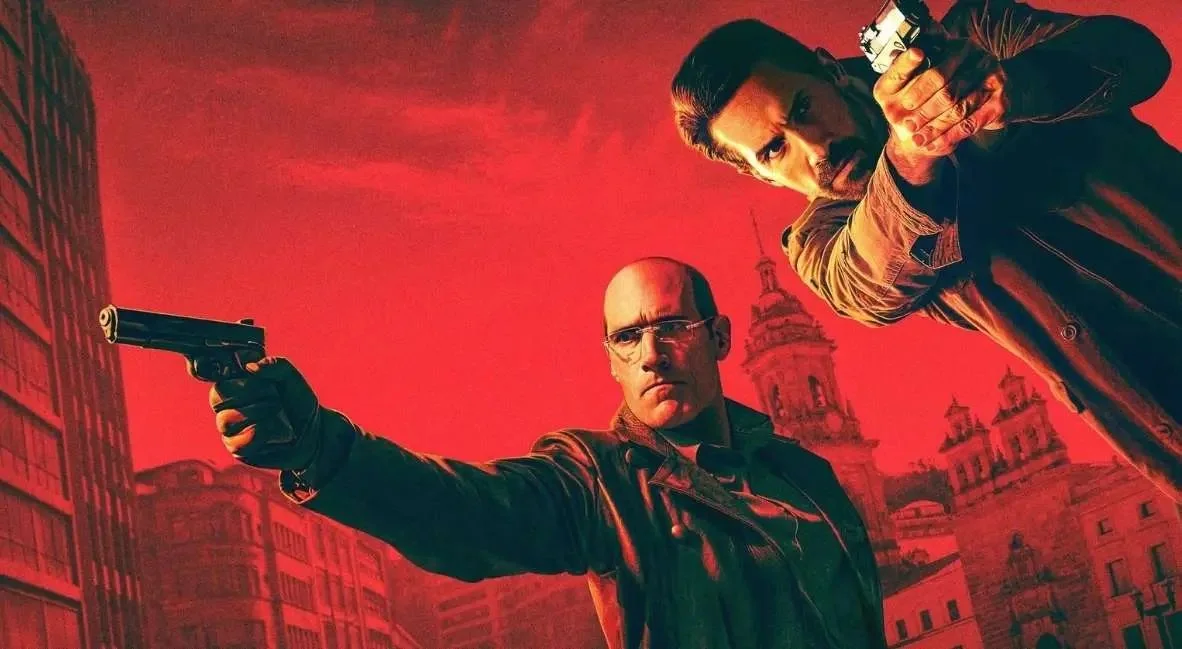
For hardcore martial arts movie fans, the collaborations of Chilean director Ernesto Díaz Espinoza and “Latin Dragon” Marko Zaror have become firm-favourites, with the pair delivering standout low-budget titles like Kiltro, Mirageman, Redeemer and Fist of the Condor. This work also helped establish Zaror in Hollywood, where he’s gained a cult following among attentive fans like director Robert Rodriguez, hiring him for Machete Kills, From Dusk till Dawn: The Series and Alita: Battle Angel. It’s worth remembering too, that Zaror teamed up with Brit action star, Scott Adkins, for the first time 15 years ago in 2010’s Undisputed III, which many consider the high benchmark of this franchise. So, it’s exciting to see the pair reunited on Diablo, this time with Zaror welcoming Adkins to a more homegrown project under Espinoza.
The plot sees an American ex-con (Adkins) fulfilling a promise by travelling to Colombia and kidnapping a gangster’s daughter. He is swiftly pursued by the criminal underworld, and an unstoppable hitman (Zaror) with secrets of his own. While Diablo boasts many standout set pieces, like the chaotic shootout in a bar and violent brawl in a cafe, all these moments are elevated by slick camera work, Zaror’s intricate action design and the proficiency of the Legionnaire Stunts team. The clashes between Adkins and Zaror are the real highlight, offering a serious platform for two elite action stars working at the top of their game. It’s also fun to see Zaror taking on such a quirky, unusual character. Sporting spectacles, bald cap, creepy mannerisms and a lethal hook concealed beneath a removable metal fist, he is a terrifying Terminator-esque villain audiences won’t soon forget.
2. Prisoner of War
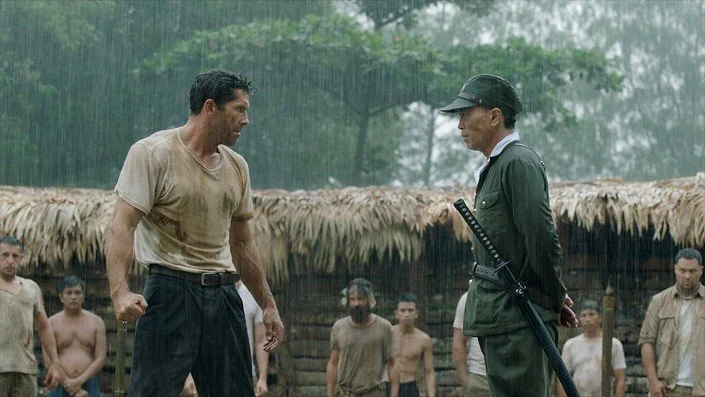
Scott Adkins teams up again with former co-star Louis Mandylor (The Debt Collector, Payback), also a filmmaker in his own right, this time leading the charge as director, and working from a story by Adkins. It’s a surprisingly emotional, poignant World War II tale set in a POW camp, with the threat of death and violence simmering just below the surface. Inspired by true events during WWII, including the Bataan Death March, the story follows a captured British RAF Commander (Adkins). After violently escaping execution, killing Japanese soldiers in the process, he unwittingly demonstrates his value and warrior code to the camp’s Lt. Commander (Peter Shinkoda, Daredevil), and is held in the Philippine jungle camp, forced to fight and endure brutality, off-the-grid and far away from the eyes of international law.
The film’s big strength is wisely drawing focus to the harrowing human story, set against the vast canvas of war, much of which is hinted at and takes place off camera, with only brief plane shots, radio chatter and the beautiful coastline promising allied ships in waiting. No doubt leaning into its budget, this approach gives intimacy and focus to the small ensemble, as Wright bonds with his fellow prisoners, including solid turns from Gary Cairns, Michael Copon, Michael Rene Walton and UFC Hall of Famer, Donald “Cowboy” Cerrone. Meanwhile, their Japanese captors are both entertained and maddened by Wright’s defiance, with the sadistic Lt. Commander (Shinkoda in great form) taking pleasure in reminding him he lives on borrowed time, reassuring his skeptical comrades that he could end the game any time he chooses. Prisoner of War steers clear of obvious action tropes and avoids sensationalising any of the violence. And while there are some brutal and well-executed fight scenes throughout, everything feels grounded, believable and serves the greater story. A far more thoughtful and human tale than many might be expecting.
1. The Smashing Machine
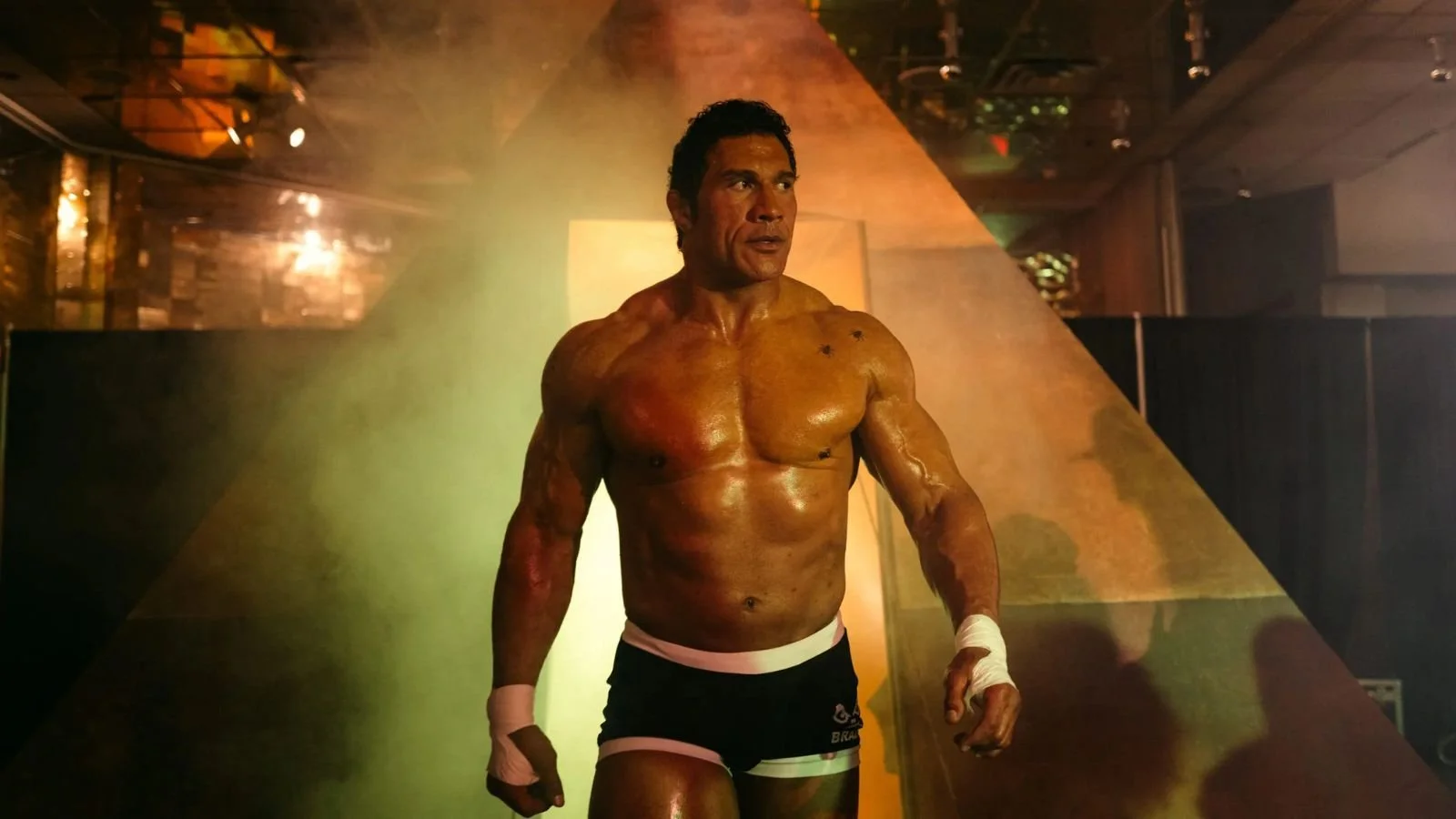
Defining what will undoubtedly be a major new chapter in Dwayne Johnson’s acting career, the global superstar makes an incredible transformation into MMA legend and pioneer Mark Kerr. This is a hugely impressive biopic from A24, helmed by writer-director Benny Safdie (Uncut Gems) and inspired by John Hyams' 2002 feature documentary. It’s a powerful, thought-provoking sports drama offering a window into Mark Kerr’s arduous personal and professional journey, years before organisations like the UFC led a hugely lucrative business, and the world’s best fighters held celebrity status outside this small, misunderstood subculture. We see Kerr training and fighting towards the world championship, battling to overcome his own demons, insecurities and addiction, and maintain a tumultuous relationship with his girlfriend (Emily Blunt), all against the noise and backdrop of one of the most punishing sports in the world.
An impressive production at every level, great attention-to-detail went into recreating this slice of sports history, from the video-style cinematography, set design, clothing and even recreating some of the era’s most memorable ring highlights, crafted under MMA coordinator James Moontasri and fight coordinator Kirk A. Jenkins. Fellow athlete Ryan Bader also makes a commendable acting debut as Kerr’s colleague and friend, Mark Coleman. But it’s Johnson who is the real revelation, taking on the formidable challenge of a role no one else could even touch. Remodelling his own physique and stature to better match Kerr’s, he is aided by the work of double Oscar-winning prosthetic makeup artist, Kazu Hiro. Johnson no doubt draws on his own psychology taking big knocks as a ring athlete (with parallels as a WWE superstar), plus his long underrated acting chops, this is a performance he commands with full authority. It certainly feels like we are witnessing a seismic shift in the career of Dwayne Johnson and can only hope for more exciting and challenging work which defies expectations.
So, that’s my verdict! In the past I have included a few honourable mentions during the podcast chat, but these are my personal highlights of 2025. Thanks for reading and Happy New Year! Here’s to an action-packed 2026!