Last Man Standing at 30
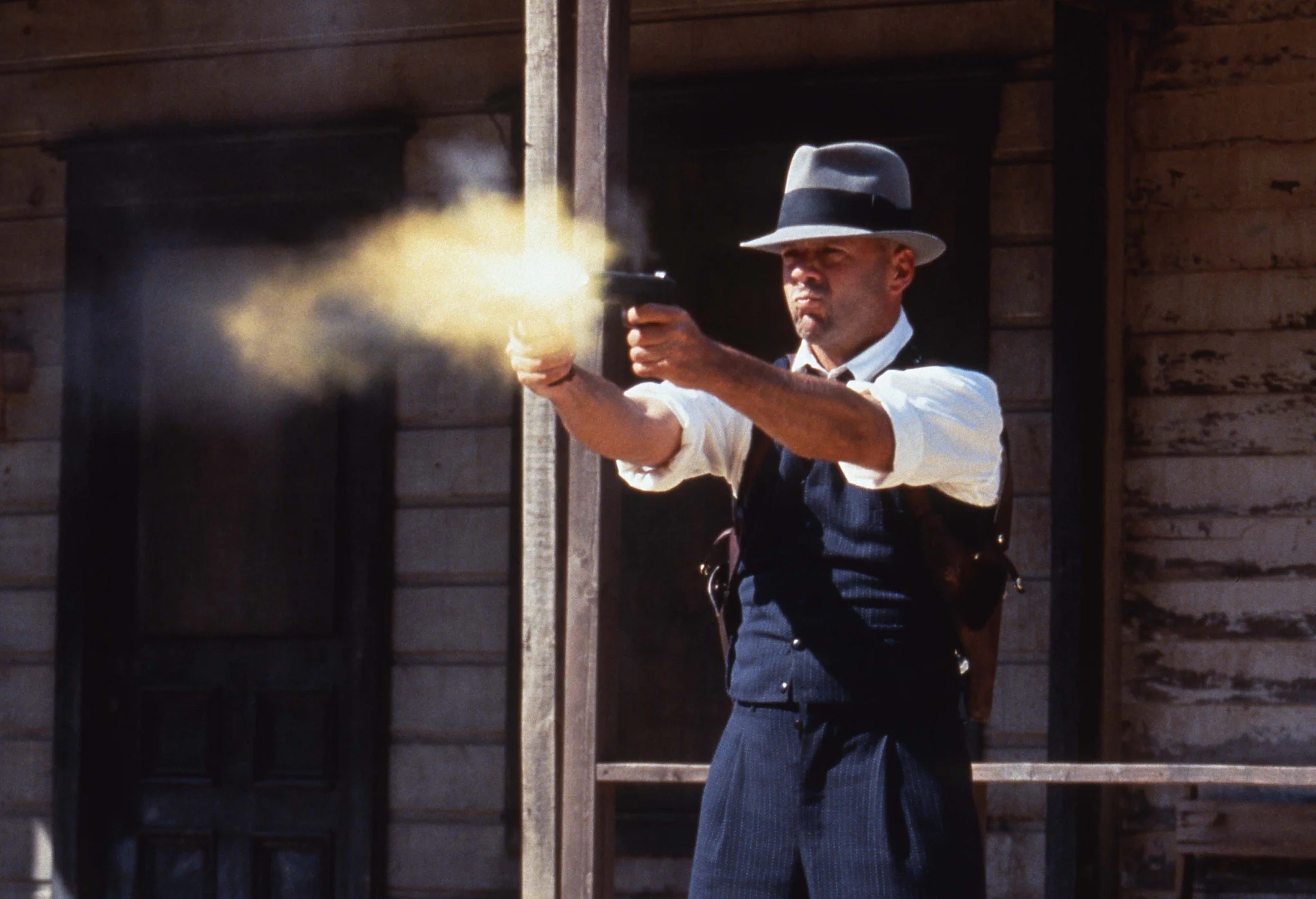
This year marks the 30th anniversary of Walter Hill’s Last Man Standing. Now, it’s no secret that Walter is one of my all-time favourite directors, with titles like The Warriors, 48 Hours, Hard Times, Southern Comfort and Extreme Prejudice standing tall among my personal favourites.
Despite some truly brilliant outliers (I have a soft spot for big-hearted comedy, Brewster’s Millions, and Crossroads is a beautiful and heartfelt film), Hill remains best known for his tough characters, sparse dialogue and bursts of stylised violence - men of few words in situations where action does the talking. In this fashion, Last Man Standing certainly fits the classic profile. And yet, despite a sense that this leans into very comfortable territory, the bigger story behind the film, and its original vision, is far more interesting.
Having been approached to direct a remake of Akira Kurosawa’s classic, Yojimbo, Walter Hill, an outspoken Kurosawa fan himself, was very skeptical and took a long time to be convinced. Eventually learning that Kurosawa was actually supportive towards the idea of an (official) American remake, he agreed and approached his project with what he defined a "free adaptation", played loose and transposing the basic premise to Prohibition-era Texas in the 1930’s, more a film-noir inspired gangster tale than a western, which he also didn’t want to make (his last film was Wild Bill starring Jeff Bridges, so perhaps a palette-cleanse was in order).
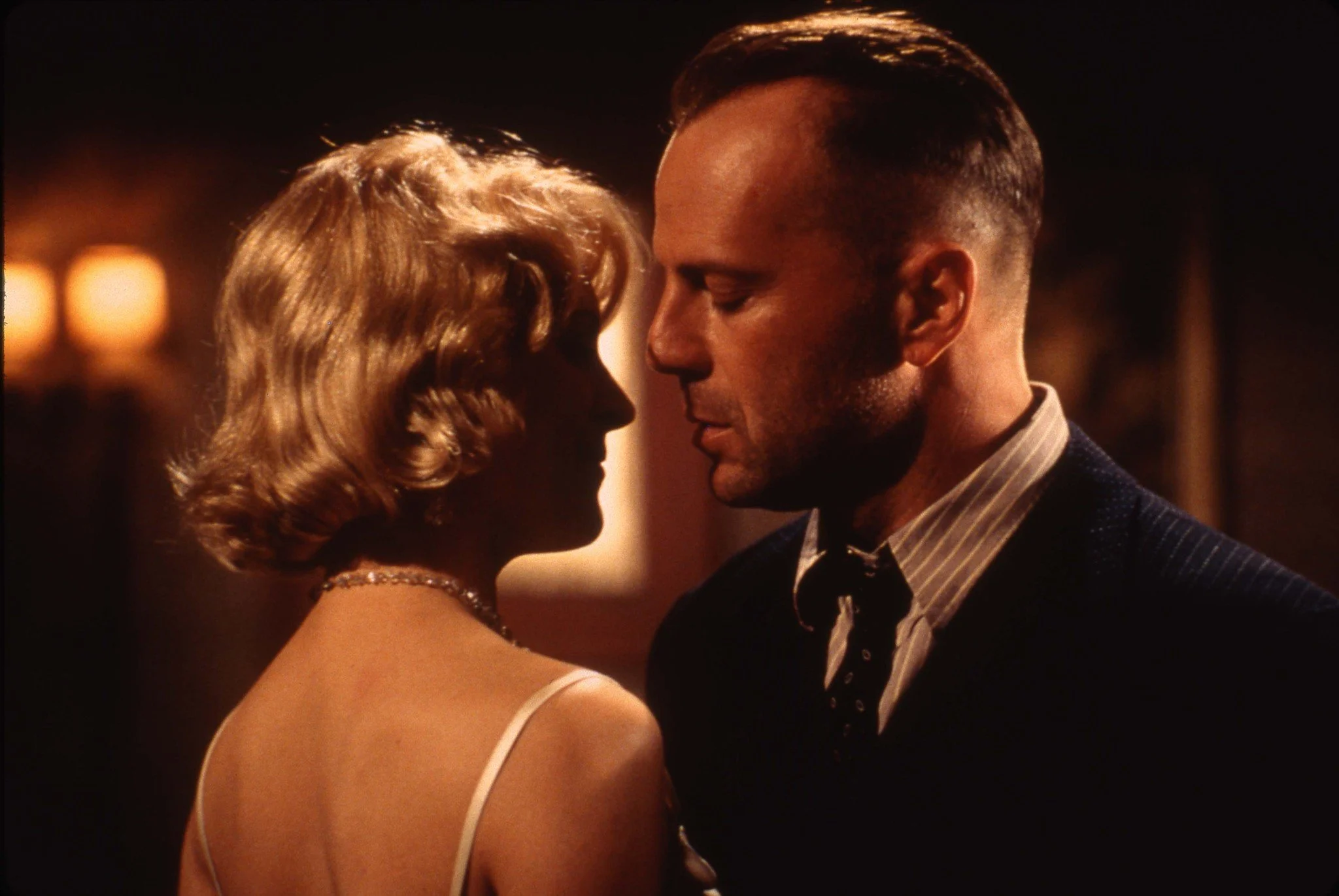
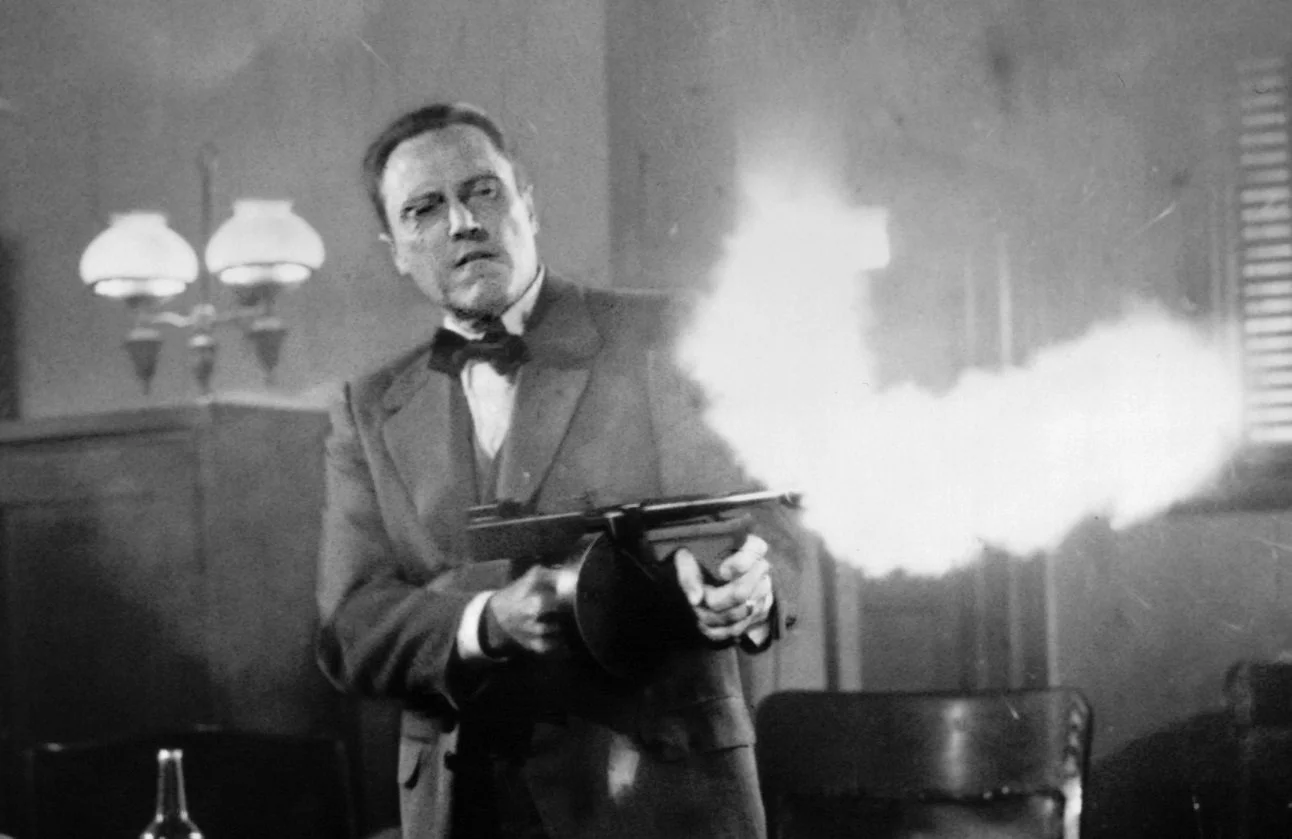
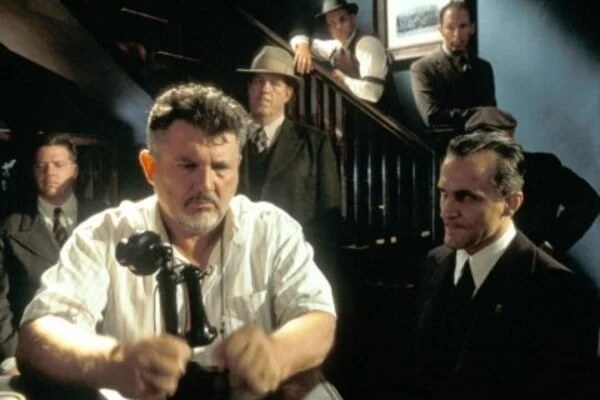
With Toshiro Mifune famously portraying the ronin of Yojimbo, this time it’s Bruce Willis, hot-on-the-heels of Die Hard with a Vengeance, playing the quiet, brooding, gun-toting stranger who rolls into a dusty, deserted town run by feuding mob families. Willis effortlessly plays to type, infusing his familiar, steely cool which works very well in this settling. Starring opposite is Walter Hill-regular David Patrick Kelly, portraying one imposing mob boss, with his right hand gun originally touted for James Remar (which would have been awesome) but ultimately, via studio decree, going to Christopher Walken, who is very good nonetheless. Other memorable support roles are taken by William Sanderson, Ned Eisenberg, Michael Imperioli and Bruce Dern. Subplots involving Leslie Mann as a prostitute caught up in the conflict and, more significantly, Karina Lombard as a woman being held by the mobsters, would have benefitted greatly from more screen time, a broader issue we’ll delve into.
In Yojimbo style (portrayed already in Sergio Leone’s A Fistful of Dollars), playing one family against the other, it doesn’t take long for tensions to mount. We also get gems of dialogue like: “Last I heard, you were gonna have a talk with some fellas. Next thing I hear, one of them's dead.” To which Willis replies, “the conversation kind of went downhill.” From this point, action is predictably fast-paced and intense, with standoffs leading to quickdraw fire at the drop of a dime. Arguments are settled over a bloody hail of bullets, over nearly as quickly as they start. Hill explained he chose to keep the action brief and intense, rather than playing long, drawn out gunfights from behind cover.
The very first shootout sets the tone with an ill-fated villain flying through the air as he’s peppered with bullets from dual-wielded pistols. Moments like this may even pay homage to John Woo’s classic “bullet ballet” films, which had only recently emigrated from Hong Kong to the US on home video, with his Hollywood work such as Hard Target and Broken Arrow proving very popular. In fact, Hill had even been attached at one time to direct an American remake of The Killer, which was sadly never to be, so it’s safe to assume he was familiar with the heroic bloodshed films of the day.
Following the arc of this mythical ronin, now transplanted to Texas, Last Man Standing is a pacy action-thriller which clocks in at a fairly concise 101 minute run time. But whereas the signature lean run time of Hill’s earlier work fits the bill, the flow of Last Man Standing can feel rushed. What becomes apparent, especially on rewatch, is that it’s all in the edit, rather than being felt during actual scenes. The film plays and logically works just fine, but it lacks the smooth pace and composure that could have elevated it, especially to the heights of any classic Walter Hill film.
The original cut was reportedly over two hours long (130 mins by one source) which would have allowed more world-building and character development to set up the ensuing violence. In its final state, the film feels like it needs room to breathe; the addition of quiet moments and reflection which accent the chaos, sadly lost in the theatrical cut. Even without side-by-side comparisons to go by, this feels palpable for anyone familiar with Walter Hill’s earlier work, or an understanding of his cinematic sensibility. Interestingly, a bootlegged VHS workprint circulated among collectors in the 90’s, likely giving a much stronger indication of Hill’s original vision.
In fact, before he edited the final cut, Hill’s rough cut was used by the studio to edit trailers, resulting in a fair amount of deleted and extended scenes being included, and even different edits of well-known scenes from the final print. Some of the promotional stills also highlighted these omitted scenes, confirming again there is a much longer version out-there.
Happy at one point to shoot his film in black and white, Hill explained in an interview at the time that he knew this wouldn’t be an option, commercially speaking, and settled for a “monochromatic palette” more evocative of a 1930s style. Visually, this tracks and looks good, but tonally it doesn’t quite align with the edit that was imposed on him. The more classic, “old time” feel he alludes to would naturally take a slower pace to complement it. An official director’s cut could absolutely fix this. Or imagine if he re-edited the film into black and white? It was never shot with this approach in mind, but could make for an interesting switch to complement a new edit, and match his original vision.
Premiering at the Venice Film Festival in 1996, the film rolled out internationally and received mixed reviews from critics, eventually (and harshly) branded a box office failure, yet ultimately becoming a success on home video and a staple of Bruce Willis fans and action genre maniacs in the 90’s, which is when I first discovered it too.
While being a far cry from both Walter Hill or Bruce Willis’ best-known work, Last Man Standing is a very enjoyable throwback picture, his tribute to Yojimbo, and a lesser known slice of 90’s action cinema, but still something good which could have been great. Hill was invited to embrace his Kurosawa cinematic heritage and pay tribute, but was seemingly cut short at the final hurdle by the very studio who dispatched him on the mission in the first place.
Even in its theatrical presentation, the craftsmanship on display shows why these players were (and remain) giants in the action arena. From Hill’s visuals and familiar character-building through action, to the cinematography of Lloyd Ahern (who also shot Trespass, Geronimo and Wild Bill), and not forgetting the effortless charisma and star-power of Bruce Willis, the film remains a worthy highlight. It’s also ripe for re-discovery among genre fans catching up on blind spots they may have missed. This one could easily be considered a deep cut in both the star and director’s filmographies. And still, should a true director’s cut ever see the light of day, it would no doubt offer a definitive version of the film they wanted us to see.