Japanese Godfather reclaims forgotten cinematic legacy
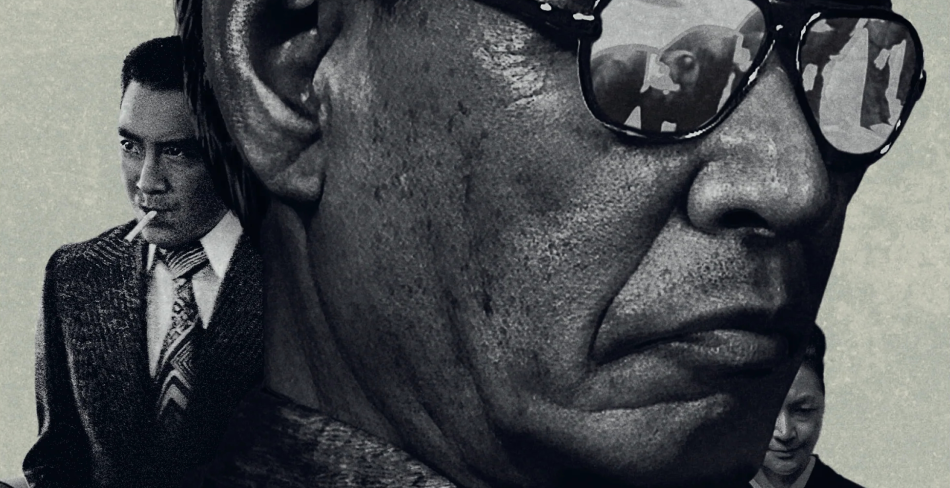
As a huge fan of gangster movies from around the world, the announcement of Radiance Films’ Japanese Godfather Trilogy was completely new to me. Initially feeling a little ignorant, that this was something I should really know, I discovered that these films have never been available in the west. So rather than being released for the first time in years, a feat of many Blu-ray and 4K restorations, this is a saga that few will have actually seen. I felt a little relieved! It’s a treat when gems like these are unearthed and Radiance Films are doing very impressive work in this space. Their curated releases take choice titles, often unavailable or under-appreciated, and present them beautifully, with restored picture and sound, plus physical and disc extras to help contextualise the films.
Packaged as the Japanese Godfather Trilogy, this collection includes Japan’s Don (1977), Japanese Godfather: Ambition (1977) and Japanese Godfather: Conclusion (1978).
The epic, sprawling crime saga is helmed by Toei studio’s Yakuza cinema veteran, director Sadao Nakajima (Aesthetics of a Bullet, The Rapacious Jailbreaker), inspired by the true story of Japan’s largest criminal enterprise. At the dawn of the 1970s, Japan was becoming an economic superpower and the Nakajima syndicate extended its grasp across the nation. Politicians and corporations seek the gang’s favour to form strategic and highly prosperous partnerships, but its leaders disagree about whether to leave the old ways behind for the sake of money and respectability.
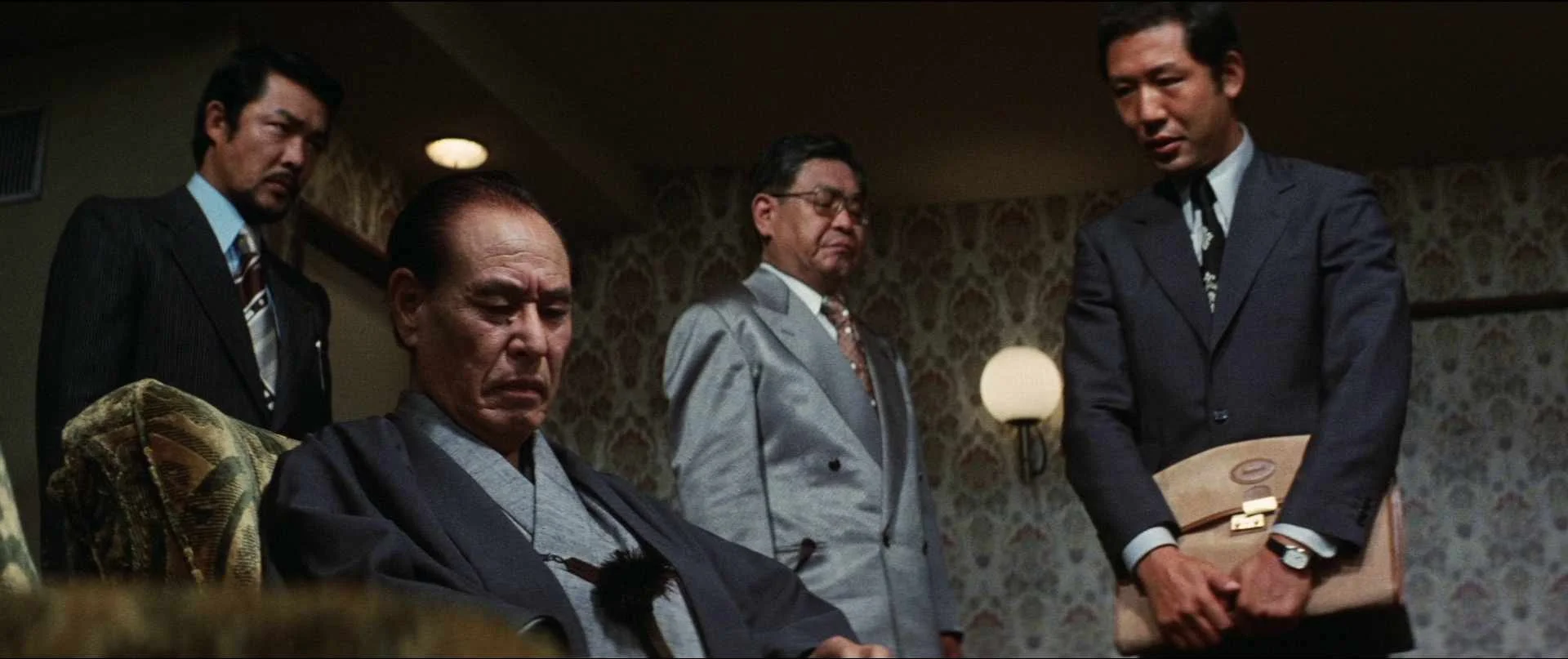
As a nationwide syndicate, their web of influence would integrate them into government, politics and business. Success hinges on strategic negotiations, maintaining an eco-system of power while expanding operations. Favouring pens over guns and swords, senior staff would hold real responsibilities, not unlike any other corporation. Even street level dealings could easily have a ripple effect on white collar business, with members at every level expected to follow orders or face consequences. Keeping off the radar of law enforcement, especially for needless petty deeds, was crucial while conducting lucrative business. Optics pointed to legitimising themselves as a thriving business.
Told through a rich array of characters, each with their own loyalties and motivation, the cast is enormous and features a roster of familiar faces, including Koji Tsuruta (Big Time Gambling Boss, Sympathy for the Underdog), Bunta Sugawara (Battles Without Honour and Humanity), Toshiro Mifune (The Seven Samurai, Yojimbo) and Sonny Chiba (The Streetfighter, Hokuriku Proxy War). Several major characters return across all three entries, while some appear in only one film. Confusingly, some actors portray multiple characters across different films, one of the few critiques here, as it can be difficult to follow, especially if time passes between watching each film. Ultimately, however, the story arcs are well crafted and weave together, all making sense with satisfying payoff. It simply requires focus and attention, as any good story should. These films are grounded and realistic, and will appeal to those who appreciate textured, character-led storytelling. They are slow-burners where the tensions mount, opportunities for betrayal present themselves and, occasionally, burst into bloody violence.
The Japanese Godfather Trilogy is a hugely ambitious saga which delves deeply into the inner workings of Japanese organised crime from this era, showcasing stellar work from industry veterans working in front and behind the camera. This collection is beautifully restored in a Limited Edition set available on Blu-ray for the first time, with filmed interviews (namely director Sadao Nakajima, scriptwriter Koji Takada and filmmaker/collaborator Kazuyoshi Kumakiri), new improved subtitles, trailers and a beautiful booklet with new and archival writing, all housed in a premium physical package. This is an elite release for Japanese film fans and gangster aficionados, celebrating a forgotten cinematic legacy.